
Hidden cooling mistakes could be driving your energy bills higher every month. Learn how poor airflow, dirty filters, thermostat habits, and neglected maintenance reduce HVAC efficiency and increase costs. This practical guide explains simple ways homeowners can improve indoor comfort, reduce unnecessary energy usage, and protect air conditioning systems from lon
Introduction
Keeping a home cool during warmer months should not mean dealing with constantly rising energy costs. Yet many households unknowingly make small cooling mistakes that gradually force air conditioning systems to work harder than necessary. Poor airflow, neglected maintenance, blocked vents, and inefficient thermostat habits can quietly increase electricity usage while reducing overall comfort indoors. Over time, these seemingly minor issues place additional strain on cooling equipment, shorten system lifespan, and create uneven temperatures throughout the property.
Homeowners often focus on lowering thermostat settings instead of improving how efficiently the system operates. However, cooling efficiency depends on far more than temperature alone. Proper insulation, clean filters, airflow balance, and routine servicing all play a major role in controlling monthly utility bills. Working with an experienced AC contractor in Reno, NV can also help identify hidden inefficiencies before they become costly problems. Understanding the most common cooling mistakes allows homeowners to maintain a more comfortable living environment while reducing unnecessary energy consumption throughout the year.
Ignoring Air Filter Maintenance
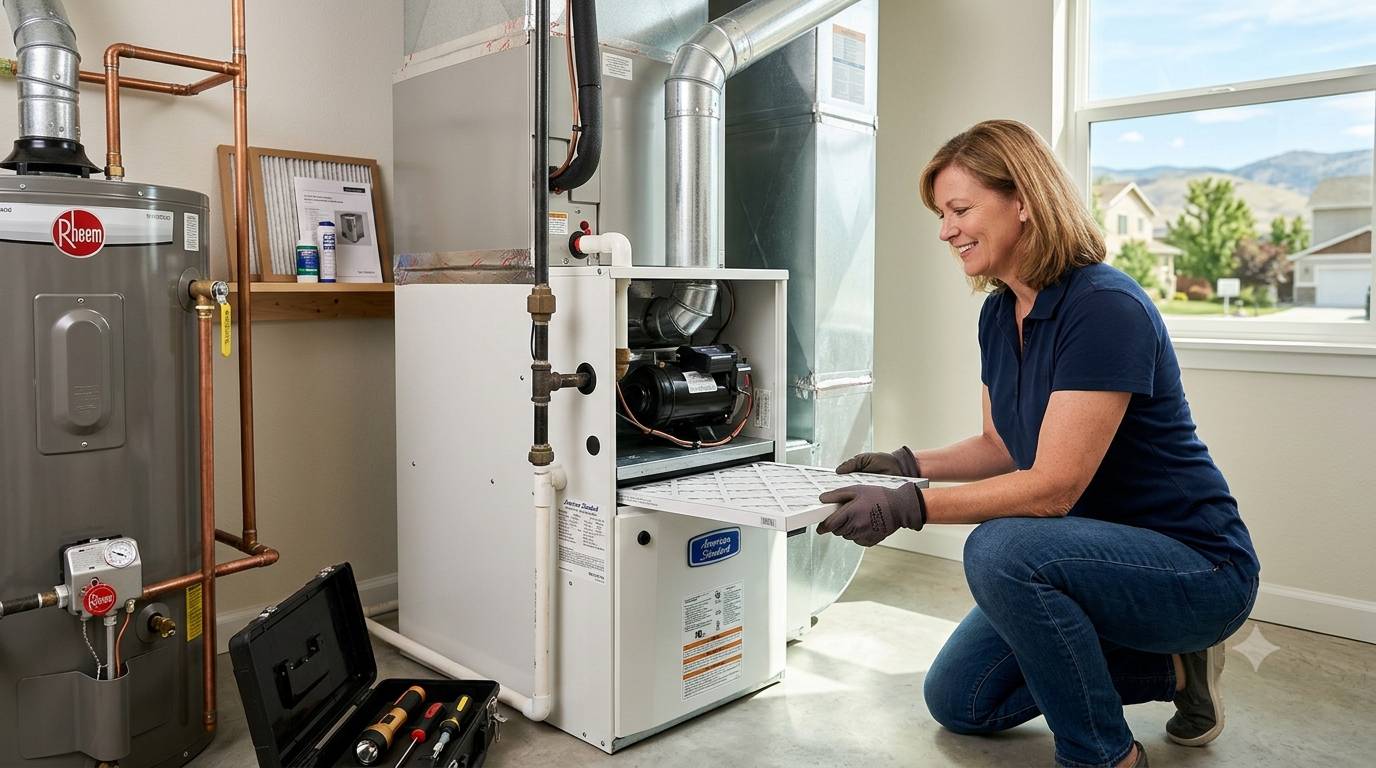
One of the most common causes of rising cooling costs is a dirty air filter. Many homeowners forget to replace filters regularly, especially when the system still appears to be functioning normally. Unfortunately, clogged filters restrict airflow and force the air conditioning unit to work much harder to circulate cool air throughout the home.
Restricted airflow can lead to longer operating cycles, increased energy usage, and unnecessary wear on important components. Dust accumulation may also reduce indoor air quality, which becomes especially noticeable in homes with pets, children, or allergy sufferers.
Most standard filters should be checked every one to three months depending on usage and indoor conditions. Maintaining clean filters supports smoother airflow, improves cooling efficiency, and helps the system maintain stable indoor temperatures with less effort.
Setting the Thermostat Too Low
Lowering the thermostat dramatically does not cool a house faster. Many people mistakenly believe that setting the temperature extremely low will speed up the cooling process, but air conditioning systems operate at a consistent rate regardless of the thermostat setting.
When thermostats are set unnecessarily low, systems simply run for longer periods. This increases electricity usage while creating excessive strain on compressors and other mechanical components. Constant overcooling can also make indoor environments uncomfortable and increase humidity imbalance.
A moderate, consistent temperature is usually far more energy efficient. Programmable or smart thermostats can help maintain comfort levels while automatically reducing cooling usage during periods when nobody is home.
Blocking Air Vents and Registers
Furniture placement often affects cooling performance more than homeowners realise. Sofas, curtains, cabinets, or rugs positioned over vents restrict airflow and prevent cool air from circulating properly through the property.
Blocked vents force the HVAC system to compensate by running longer cycles to reach the desired temperature. This creates uneven cooling, increases pressure inside ductwork, and wastes energy without improving comfort.
Ensuring vents remain open and unobstructed allows conditioned air to move freely throughout the home. Even small adjustments to furniture layout can improve airflow efficiency significantly.
Skipping Routine System Maintenance
Air conditioning systems require regular inspection and servicing to perform efficiently. Unfortunately, many homeowners wait until a breakdown occurs before scheduling professional maintenance. Small issues such as refrigerant imbalances, dirty coils, loose electrical connections, or worn components can quietly reduce efficiency long before obvious problems appear.
Routine servicing helps technicians identify developing issues early while ensuring the system operates safely and efficiently. Preventative maintenance also reduces the likelihood of sudden breakdowns during periods of extreme heat when cooling systems experience the highest demand.
Well-maintained systems generally consume less energy, cool more effectively, and last longer than neglected units. Annual inspections remain one of the simplest ways to protect both comfort and long-term operating costs.
Cooling Empty Rooms Unnecessarily
Many households waste energy cooling rooms that are rarely used. Guest bedrooms, storage areas, and unused living spaces often receive the same level of cooling as occupied areas, even when nobody spends time there.
Closing vents completely is not always recommended because it can disrupt system balance, but adjusting airflow strategically can improve efficiency. Zoned cooling systems or smart thermostats offer more precise control over different areas of the home.
Simple habits such as closing doors to unused rooms and using ceiling fans in occupied spaces can also reduce the workload placed on the air conditioning system.
Neglecting Insulation and Air Leaks
Cooling efficiency depends heavily on how well a home retains conditioned air. Poor insulation, gaps around windows, and leaking doors allow cool air to escape continuously while warm outdoor air enters the property.
Even an efficient air conditioning system struggles to maintain comfortable temperatures when conditioned air constantly escapes. This forces the unit to operate for longer periods and increases monthly energy costs considerably.
Sealing drafts, improving insulation, and installing energy-efficient windows can reduce cooling loss and improve indoor comfort throughout the summer months. These upgrades often provide noticeable savings over time while reducing strain on HVAC equipment.
Overlooking Ceiling Fan Efficiency
Ceiling fans do not lower room temperature directly, but they improve air circulation and create a cooling effect that allows homeowners to rely less heavily on air conditioning. Many people either forget to use ceiling fans or operate them incorrectly during warmer months.
Fans should rotate counterclockwise during summer to push cooler air downward and improve circulation. This simple adjustment can help rooms feel cooler without lowering thermostat settings excessively. Combining ceiling fans with moderate thermostat settings often reduces cooling costs while maintaining consistent indoor comfort.