
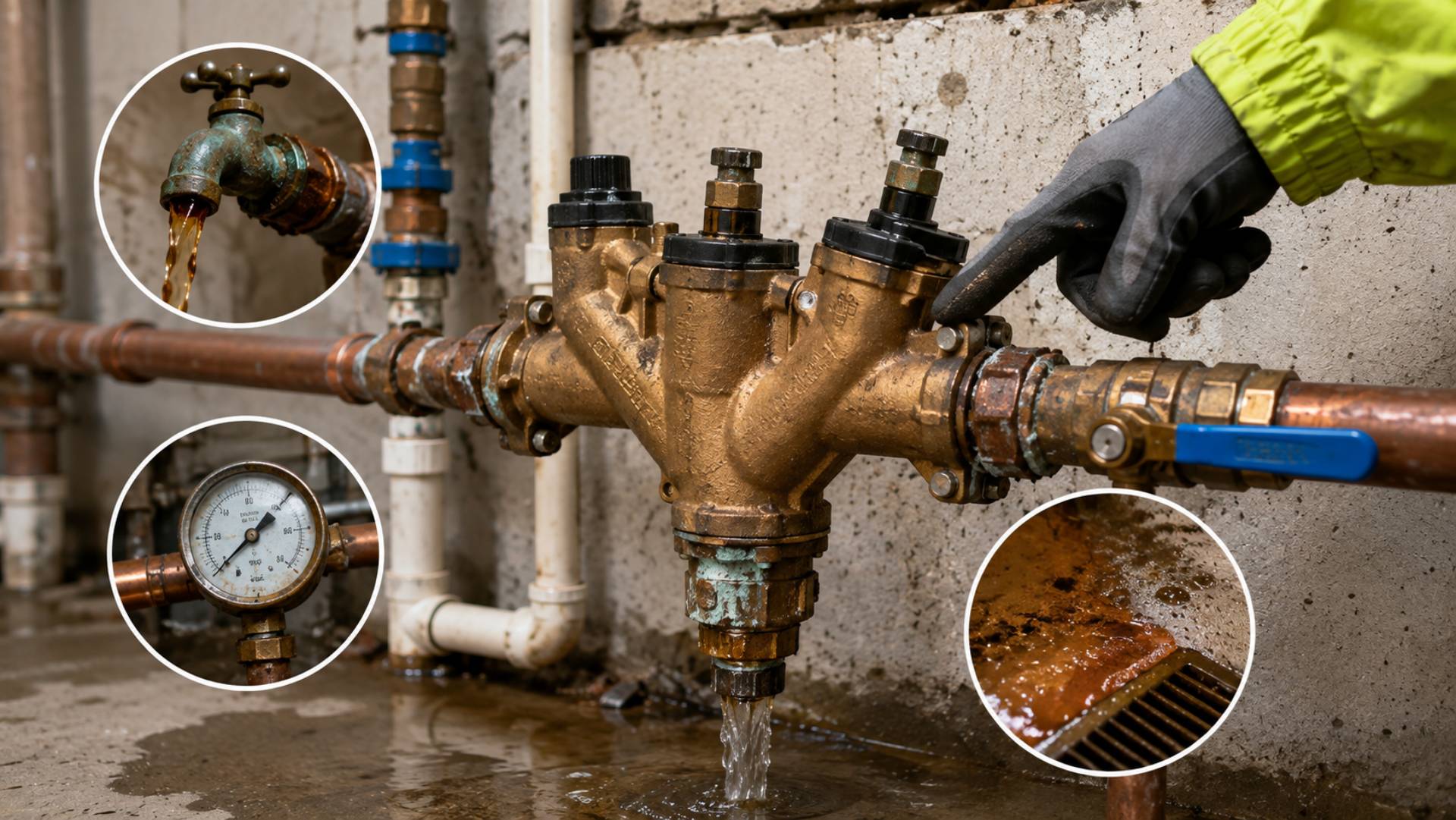
Most of us don’t give much thought to our plumbing until something stops working the way it should. A dripping faucet or a slow drain is easy to spot, but backflow is different. It happens behind the scenes, and many homeowners don’t realize there’s a problem until they notice changes in their water. Whether it’s discolored water, an unusual smell, or a sudden drop in water pressure, these are signs that shouldn’t be ignored.
Catching a backflow issue early can help prevent bigger plumbing problems and protect your home’s water supply. That’s why it’s worth paying attention to even small changes instead of hoping they’ll go away on their own. If your home has a backflow prevention device or you’re looking into reliable backflow prevention solutions, understanding the warning signs can help you know when it’s time to call a professional before a minor issue turns into a major repair.
What Is Backflow and Why Does It Matter?
Under normal conditions, clean water flows in one direction through your plumbing system and into your home. Backflow occurs when that flow is reversed, allowing water to move backward through the pipes instead of continuing toward your faucets and fixtures.
This reversal can happen for several reasons, including sudden pressure changes within the plumbing system. While homeowners may not immediately notice the problem, backflow can affect water quality and indicate that an important plumbing component is no longer working properly. Because the issue often develops without obvious warning, understanding the early signs is essential.
1. Your Water Looks Discolored
One of the most noticeable warning signs of backflow is a change in the appearance of your tap water. Clean drinking water should be clear, so if it suddenly appears cloudy, brown, yellow, or contains visible particles, something within the plumbing system may need attention.
Although discolored water can have several possible causes, including aging pipes or maintenance work on municipal water lines, it should never be ignored. If the discoloration continues or appears throughout multiple fixtures in your home, it’s a good idea to have the plumbing system inspected by a qualified professional.
2. Your Water Has an Unusual Taste or Odor
If your tap water suddenly develops an unusual smell or taste, it could indicate that water is no longer flowing through the plumbing system as intended. Some homeowners notice metallic, musty, sulfur-like, or otherwise unpleasant odors that weren’t present before.
Changes like these don’t automatically confirm a backflow issue, but they can signal that something is affecting the quality of your household water supply. Rather than assuming the problem will disappear on its own, it’s important to investigate the cause promptly to ensure your plumbing system is functioning correctly.
3. Water Pressure Suddenly Changes
A sudden drop in water pressure is another warning sign that shouldn’t be overlooked. If showers become weaker, faucets take longer to fill containers, or multiple fixtures throughout the home experience lower pressure at the same time, there may be an underlying plumbing problem.
While reduced water pressure can result from leaks, mineral buildup, or damaged pipes, it can also occur when pressure within the plumbing system changes unexpectedly. Since backflow often involves pressure fluctuations, a professional inspection can help determine whether additional testing is necessary.
4. Your Backflow Prevention Device Is Leaking
Many homes and commercial properties have backflow prevention devices installed as part of the plumbing system. These devices are designed to prevent contaminated water from flowing backward into the clean water supply.
If you notice water leaking around the device, visible corrosion, unusual moisture, or damaged components, it may no longer be functioning as intended. Even a small leak can indicate internal wear that should be evaluated before the problem becomes more serious.
Routine inspections help ensure that these devices continue operating properly over time.
5. Fixtures Begin Acting Unusually
Backflow problems sometimes affect the way plumbing fixtures operate. You may notice faucets sputtering when first turned on, toilets filling more slowly than usual, or inconsistent water flow from sinks and showers.
Although these symptoms can have several different causes, unusual fixture performance often indicates that something within the plumbing system has changed. If multiple fixtures begin behaving differently around the same time, scheduling a plumbing inspection is a sensible next step.
Ignoring these small changes may allow larger plumbing problems to develop unnoticed.
6. You Hear Strange Noises in Your Plumbing
Most plumbing systems operate quietly during normal use. If you suddenly hear gurgling, bubbling, whistling, or unusual banging sounds while using sinks, toilets, or showers, your plumbing system may be experiencing pressure changes.
These sounds don’t necessarily confirm backflow, but they can indicate that water and air are not moving through the plumbing system as expected. Since pressure problems are often connected to backflow issues, unusual plumbing noises deserve professional evaluation.
Paying attention to these early warning signs can often prevent more complicated repairs later.
7. Watch for These Additional Warning Signs
Some symptoms are less obvious but still deserve attention. If you notice several of these issues occurring together, contacting a plumbing professional is a smart decision.
Common warning signs include:
- Cloudy or discolored tap water
- Unpleasant odors from faucets
- Strange taste in drinking water
- Sudden drops in water pressure
- Leaking backflow prevention devices
- Sputtering faucets
- Unusual plumbing noises
- Water quality changes throughout the home
While none of these symptoms alone automatically confirms a backflow problem, multiple warning signs appearing together should never be ignored.
Why Professional Inspection Matters
Backflow problems aren’t always visible, and accurately identifying the cause requires specialized knowledge and equipment. Professional plumbers can inspect the plumbing system, evaluate pressure conditions, test backflow prevention devices, and determine whether repairs or maintenance are necessary.
Attempting to diagnose the issue without proper equipment may overlook important problems that continue affecting the plumbing system. Professional inspections help ensure that every component is functioning properly while identifying potential issues before they become more expensive to repair.
Regular testing is particularly valuable for properties with existing backflow prevention devices, as these systems require periodic inspection to remain effective.
How Regular Maintenance Helps Prevent Problems
Like every part of your plumbing system, backflow prevention devices benefit from routine maintenance. Regular inspections allow plumbers to identify worn seals, damaged valves, corrosion, or other developing issues before they affect the water supply.
Homeowners can also help protect their plumbing by paying attention to changes in water quality, pressure, and fixture performance. Reporting unusual symptoms early often allows problems to be addressed before they require larger repairs or emergency service.
Preventive maintenance not only supports the performance of the plumbing system but also provides greater confidence that clean water continues flowing safely throughout the home.
Conclusion
Backflow problems often begin with small warning signs that are easy to overlook. Changes in water color, unusual odors, reduced pressure, leaking prevention devices, and strange plumbing noises may all indicate that something within your plumbing system requires attention.
By recognizing these symptoms early and scheduling a professional inspection when needed, homeowners can help protect their plumbing system and maintain the safe, reliable flow of water throughout their property. Addressing potential backflow issues before they become major problems is one of the simplest ways to avoid unnecessary repairs and keep your plumbing system operating efficiently.