A beautiful garden rarely happens by accident. Behind every attractive outdoor space lies thoughtful planning, careful design, and a clear understanding of how plants, space, and structure work together. Smart landscape planning helps homeowners create gardens that are both visually appealing and easy to maintain.
When a garden is designed with intention, every element has a purpose. Paths guide movement. Plants thrive in the right conditions. Outdoor areas become welcoming places to relax and enjoy nature. The result is a garden that looks balanced, healthy, and inviting throughout the year.
Good planning does not require complicated ideas or expensive materials. Instead, it focuses on understanding the space you have and using it wisely.
Understanding Your Garden Space
The first step in landscape planning is studying the space carefully. Every garden has unique features that influence how it should be designed.
Sunlight is one of the most important factors. Some plants need full sun, while others prefer shade. Observing how sunlight moves across your garden during the day helps you choose the right plants for the right locations.
Soil quality also plays a major role. Healthy soil supports plant growth and improves the long-term success of your garden. Testing the soil can reveal whether it needs compost, organic matter, or improved drainage.
Garden size and shape also matter. A narrow garden may benefit from vertical planting or layered borders. A larger garden may allow room for lawns, seating areas, or pathways.
These observations form the foundation of smart landscape planning. Once you understand the space, you can begin designing a layout that works naturally with the environment.
Creating a Clear Garden Layout
A well-planned layout brings structure to a garden. Without structure, outdoor spaces can feel cluttered and difficult to maintain.
Start by thinking about how the garden will be used. Some homeowners want a peaceful retreat filled with greenery. Others prefer a practical space for entertaining or family activities.
Paths are often the backbone of a garden layout. They guide movement and divide the garden into clear areas. Gravel paths, stone walkways, or simple stepping stones can add character while making the garden easier to navigate.
Garden zones are another useful idea. For example, one area might contain flower beds, while another provides space for outdoor seating. A small vegetable patch could sit in a sunny corner, while shrubs or hedges create privacy around the edges.
A thoughtful design keeps everything organised and balanced.
Choosing the Right Plants
Plants are the heart of every garden. Selecting the right ones is essential for long-term beauty and health.
Many gardeners make the mistake of choosing plants only for their appearance. However, successful gardens depend on plants that suit the local climate and soil conditions.
Native plants are often a strong choice because they adapt well to local weather and require less maintenance. Hardy shrubs, flowering perennials, and seasonal plants can create colour and variety across the year.
Plant layering also improves garden design. Taller plants at the back of borders, medium plants in the middle, and low-growing plants at the front create depth and visual interest.
Mixing evergreen plants with seasonal flowers ensures the garden remains attractive in every season.
Smart planting decisions reduce maintenance while improving the overall look of the space.
Adding Structure with Hard Landscaping
While plants provide colour and life, hard landscaping adds structure and stability. Hard landscaping refers to non-living elements such as paving, walls, decking, and garden features.
Stone pathways can connect different areas of the garden. Wooden decking creates space for outdoor dining or relaxation. Garden walls or fences provide privacy and help define boundaries.
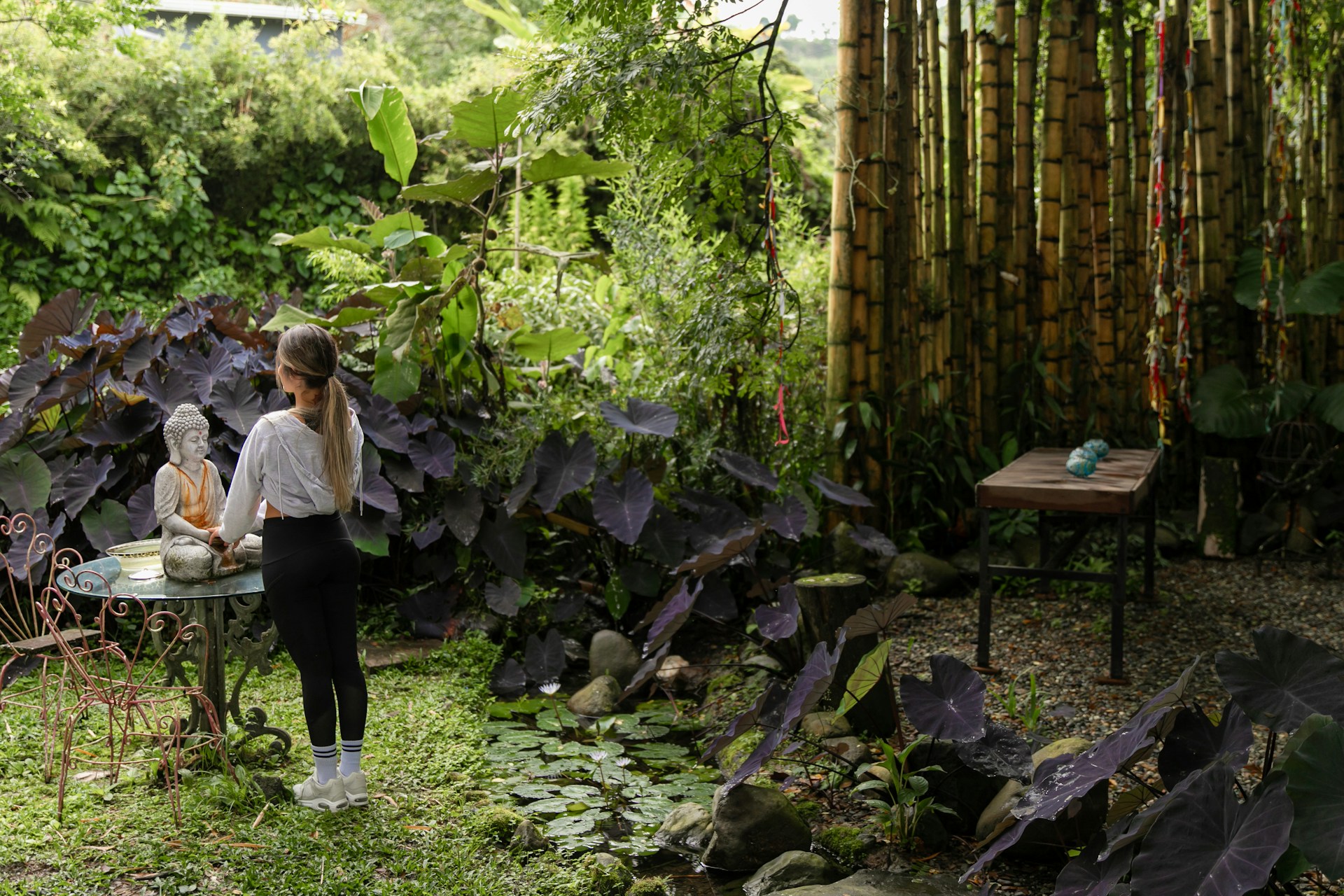
Water features are also popular in many garden designs. A small fountain or pond can create a calming atmosphere and attract wildlife.
The key is balance. Hard landscaping should support the natural beauty of the garden rather than dominate it.
Professional designers often combine these elements carefully. Many projects today also benefit from expert input in areas such as Green infrastructure consultancy and Green infrastructure planning, which help ensure landscapes support sustainability, drainage, biodiversity, and long-term environmental value. If you want inspiration or expert guidance, you can always view our website to explore design ideas and practical landscaping solutions.
Planning for Year-Round Interest
A truly beautiful garden changes with the seasons but never loses its charm. Smart landscape planning ensures there is always something interesting to see.
Spring often brings fresh growth and colourful flowers. Summer fills the garden with greenery and vibrant blooms. Autumn introduces warm tones and textured foliage. Winter reveals the structure of trees, shrubs, and pathways.
By selecting plants with different flowering times, you can create a garden that evolves naturally throughout the year.
Evergreen plants are especially valuable during winter months when many other plants become dormant. Decorative grasses and shrubs can also add texture and movement even in colder seasons.
Seasonal planning keeps the garden lively and engaging.
Designing for Easy Maintenance
A beautiful garden should not become a constant burden. Good landscape planning makes maintenance easier and more efficient.
Clear borders help prevent plants from spreading uncontrollably. Well-designed pathways allow easy access for watering, pruning, and cleaning.
Mulch is another simple solution. It helps retain moisture, reduce weeds, and improve soil health. Over time, this reduces the amount of work needed to keep the garden looking its best.
Irrigation systems can also save time and water. Drip irrigation or timed watering systems ensure plants receive consistent moisture without manual effort.
When planning a garden, always consider the long-term care required. A garden that is easy to manage will stay beautiful for many years.
Creating Personal Style in Your Garden
Every garden reflects the personality of its owner. Some people prefer a clean, modern style with simple lines and minimal planting. Others enjoy a natural cottage-style garden filled with flowers and winding paths.
Colour choices can also shape the mood of the garden. Soft pastel flowers create a calm environment. Bold colours make the space lively and vibrant.
Garden furniture, lighting, and decorative features add another layer of character. Subtle lighting can transform a garden in the evening and highlight key design elements.
Personal touches make the garden feel welcoming and unique.
If you are exploring design ideas or professional landscaping services, you can view our website to discover practical tips and inspiration for transforming outdoor spaces.
Conclusion
A beautiful garden begins with smart landscape planning. By understanding the space, choosing suitable plants, and designing a clear layout, homeowners can create outdoor areas that feel balanced, welcoming, and easy to maintain.
Careful planning also allows gardens to grow and improve over time. Seasonal planting keeps the space lively throughout the year. Hard landscaping adds structure and practicality. Thoughtful design choices reduce maintenance and improve long-term success.
Most importantly, a well-designed garden becomes more than just an outdoor space. It becomes a place for relaxation, connection with nature, and everyday enjoyment.
With patience and thoughtful design, any garden can become a beautiful and rewarding part of the home.